
Tired of a Soggy Yard? A Homeowner's Guide to Managing London Clay Soil
Is your backyard more of a swamp than a sanctuary after it rains? Do you have persistent puddles that refuse to disappear, turning your lawn into a muddy mess? If you're a homeowner in London, Ontario, you're not alone. The culprit is often hiding right under your feet: the dense, heavy soil known locally as London clay. This challenging soil type is notorious for its poor drainage, but the good news is you don't have to live with a waterlogged yard forever. At Castillo Landscaping, we understand the unique challenges of our local soil. This guide will walk you through why clay causes problems and what you can do to reclaim your outdoor space, creating a healthy, beautiful landscape you can actually enjoy.
Understanding the Challenge: Why Clay Soil Causes Drainage Issues
So, what makes London clay so difficult to work with? It all comes down to its physical structure. Clay soil is made up of incredibly fine particles that are packed tightly together. Unlike sandy or loamy soils with larger particles and more air pockets, clay leaves very little room for water to pass through. When it rains, water hits the surface and simply sits there, unable to be absorbed.
This leads to a host of problems that many local homeowners find frustrating:
- Standing Water: Puddles can linger for days after a storm, drowning grass roots and creating breeding grounds for mosquitoes.
- Compaction: The weight of foot traffic, lawnmowers, and even heavy rainfall can easily compact wet clay, making the drainage problem even worse.
- Unhealthy Lawns: Grass roots can't get the oxygen they need in waterlogged soil, leading to yellowing, disease, and bare patches.
- Limited Plant Choices: Many plants struggle to survive in dense, wet clay, limiting your gardening options.
Over time, severe drainage issues can even impact your home's foundation. Addressing the problem isn't just about aesthetics; it's about protecting your property's value and usability.
Effective Solutions for Improving Backyard Drainage
Fortunately, there are several effective strategies to combat poor drainage caused by clay soil. The right solution for you depends on the severity of the issue.
Soil Amendments and Aeration
For minor issues, you can gradually improve your soil's structure over time. Core aeration—the process of pulling small plugs of soil out of the lawn—is a great first step. This creates channels that allow air, water, and nutrients to penetrate the compacted surface. Following up aeration with top-dressing is key. Spreading a layer of rich organic matter like compost or high-quality topsoil over your lawn will slowly mix with the clay, improving its texture and ability to absorb water. This is a sustainable, long-term approach to building healthier soil.
Professional Grading and Drainage Systems
When you're dealing with significant water pooling, especially near your home's foundation, more robust solutions are necessary. This is where professional landscaping expertise becomes crucial.
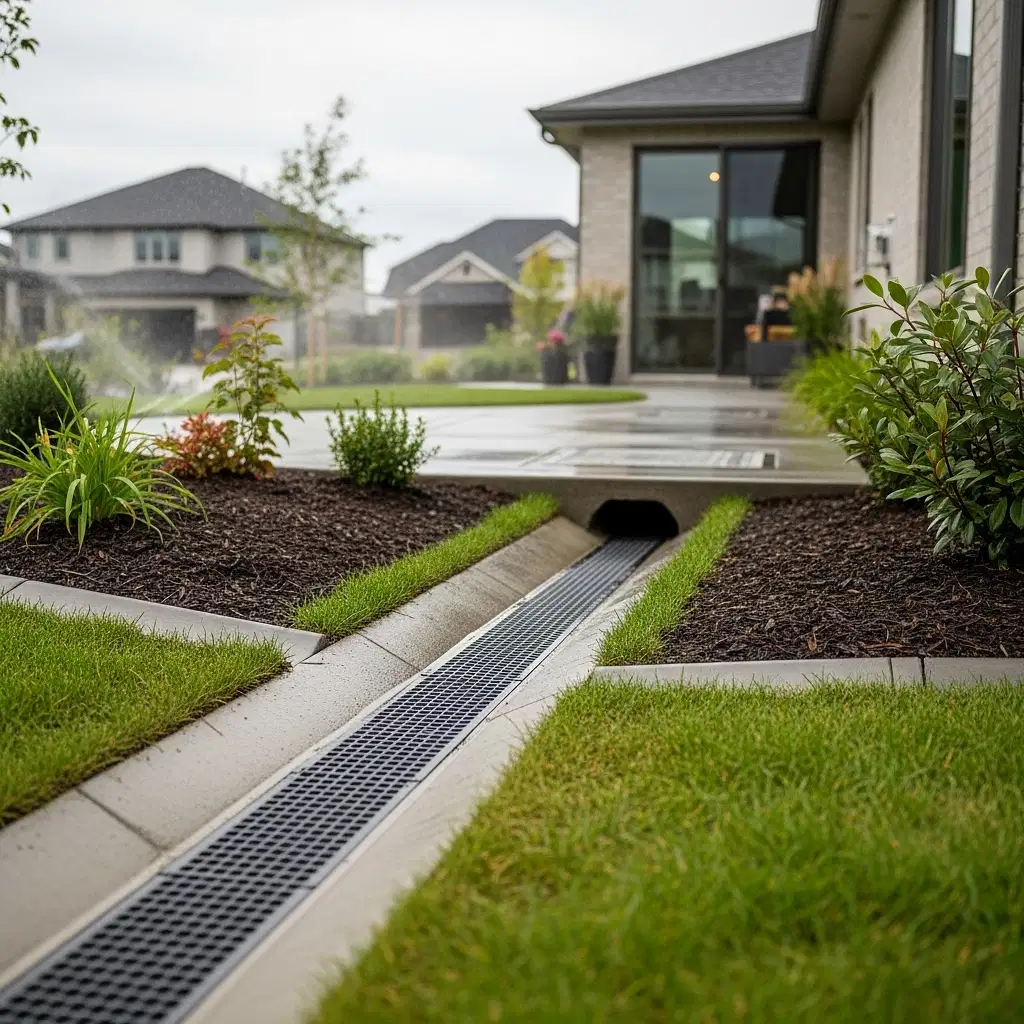
- Regrading: Often, the problem is that the yard isn't sloped correctly. Professional regrading involves carefully reshaping the land to create a gentle slope that directs water away from your house and towards a suitable runoff point, like a street or storm drain.
- French Drains: For persistent wet spots, a French drain is an excellent solution. This is a trench filled with gravel and a perforated pipe that collects subsurface water and channels it away from the problem area.
- Catch Basins: These are small, grated inlets installed in low-lying areas of the yard to collect surface water quickly and funnel it into an underground drainage pipe.
The Final Steps: Clearing the Way and Installing a New Lawn
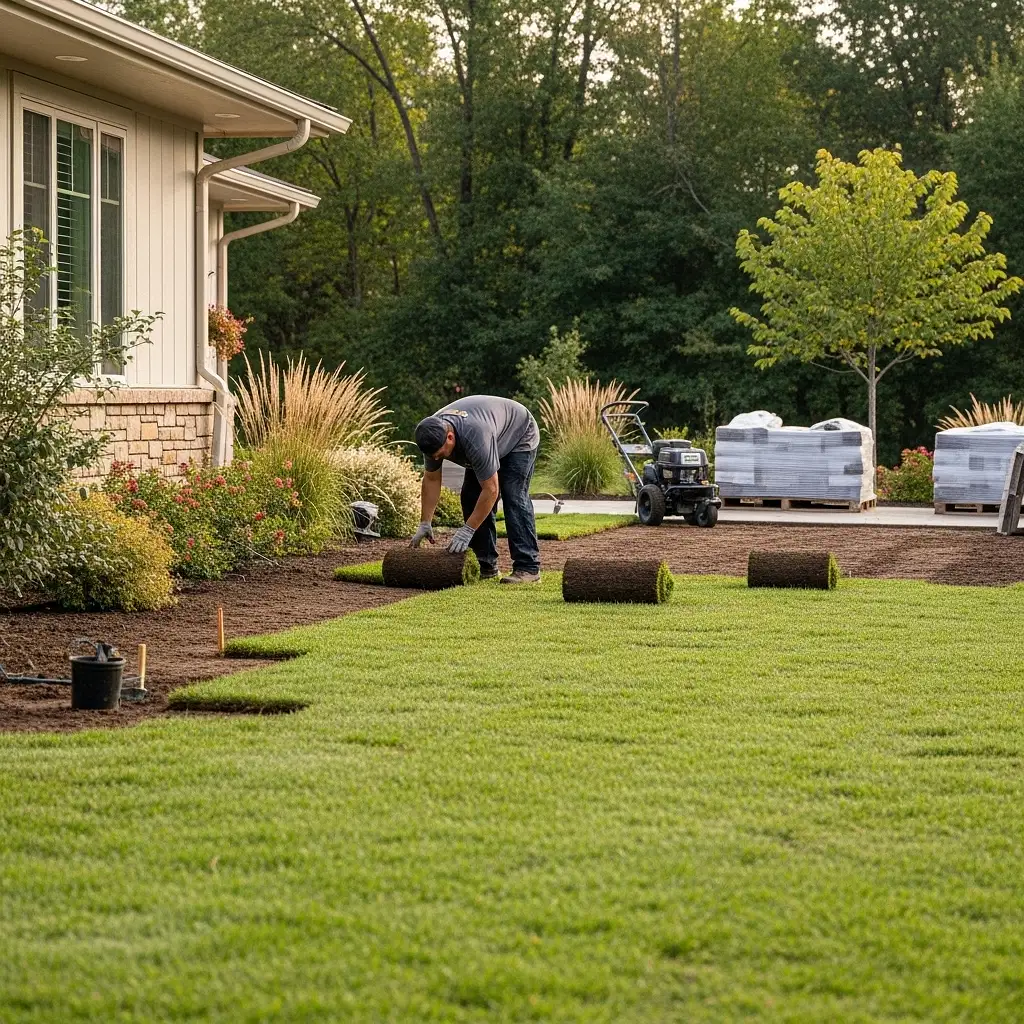
A major drainage overhaul often means starting with a clean slate. Before regrading or installing a new lawn, you may need to remove old, damaged turf, overgrown shrubs, or even a failing patio that's contributing to the problem. A thorough site cleanup is the essential first step. Our professional junk removal service can efficiently clear your property of any unwanted landscaping debris, preparing it for its transformation.
Once the drainage issues are resolved and the ground is properly graded, the final touch is often a new lawn. A healthy, lush lawn is best achieved with professional sod installation. Laying high-quality sod on a properly prepared base of nutrient-rich topsoil gives your new grass the best possible start, ensuring it establishes strong roots and thrives in its improved environment. Simply placing new sod on top of old, compacted clay will only lead to the same problems down the road.
Reclaim Your Yard from London Clay
Living with a soggy, unusable yard doesn't have to be your reality. While London clay presents a real challenge, the right combination of soil improvement, professional grading, and proper lawn installation can transform your property. By understanding the cause of the problem and exploring effective solutions, you can create a dry, healthy, and beautiful outdoor space for you and your family to enjoy.
If you're ready to solve your backyard drainage problems for good, the team at Castillo Landscaping is here to help. We have the local expertise to assess your property's unique needs and implement the right solutions. Contact us today for a consultation and take the first step toward a better backyard in London.