
The London Clay Challenge: Your Guide to a Lush, Healthy Lawn
Living in the Forest City, we all dream of having a vibrant, green lawn that serves as the perfect backdrop for family barbecues and relaxing summer evenings. But many London homeowners know the struggle is real. You can do everything right—watering, fertilizing, mowing—only to be met with pooling water after a storm, a rock-hard surface in July, and patchy, unhappy grass. The culprit? Our infamous London clay soil. This dense, heavy soil presents unique challenges, but the good news is that a beautiful lawn isn't out of reach. With the right knowledge and preparation, you can overcome the clay challenge. This guide will walk you through understanding our local soil and the steps you can take to build a healthy, resilient lawn that thrives.
Understanding Why Clay Soil is So Tricky
So, what exactly is the deal with London clay? Unlike sandy or loamy soils with varied particle sizes, clay soil is made up of tiny, fine particles. When wet, these particles stick together, leaving very little room for air or water to move through. This leads to the most common problems homeowners face:
- Poor Drainage: This is the number one complaint. The tightly packed particles prevent water from soaking in, causing puddles on the surface that can drown grass roots and create a muddy mess. This is a frequent issue in many of London's newer subdivisions.
- Severe Compaction: As the clay dries out, it can become incredibly hard and compacted. This makes it difficult for grass roots to penetrate deep into the soil to find water and nutrients. It also further restricts air and water flow, creating a vicious cycle.
- Nutrient Lock-Up: While clay soil can be rich in nutrients, its dense structure can make it difficult for plants to access them. The lack of oxygen in compacted, waterlogged soil also hinders the healthy microbial activity necessary for a thriving lawn ecosystem.
Essentially, without intervention, you're asking your lawn to grow in an environment that swings between being a swamp and a brick. To establish a healthy lawn, we first need to fix the foundation.
The Solution: Amending and Preparing Your Soil
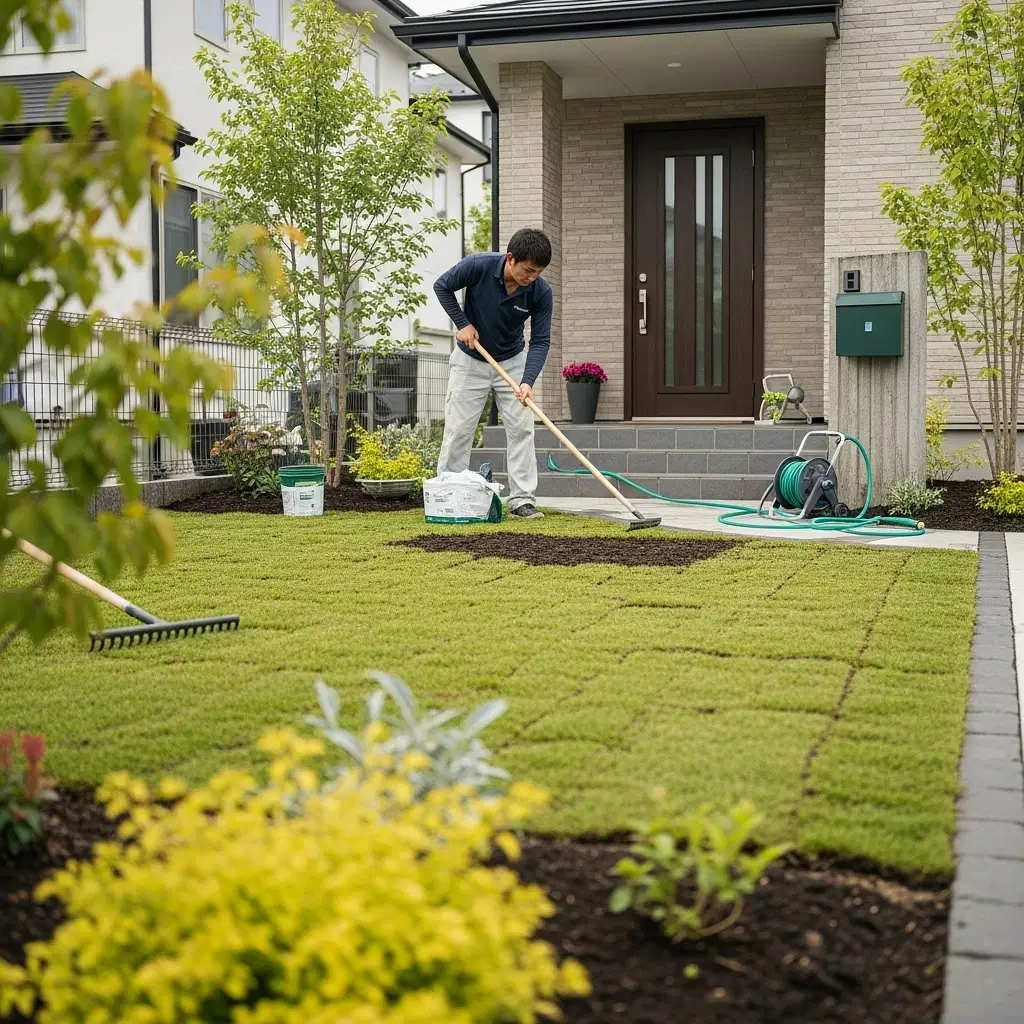
Working with clay soil isn't about replacing it; it's about improving its structure. The goal is to break up the dense particles and introduce materials that create better drainage and aeration. This is the most critical step in any successful landscaping project.
1. Core Aeration: The first step in combating compaction is mechanical core aeration. This process involves pulling small plugs of soil out of the lawn, creating channels that allow air, water, and nutrients to reach the root zone. For heavily compacted clay, this should be done at least once a year, typically in the spring or fall.
2. Adding Organic Matter: After aerating, the next step is to top-dress the lawn with high-quality organic matter. Materials like compost, peat moss, or a rich topsoil blend work wonders. As these materials fill the aeration holes and break down, they integrate into the clay, physically separating the fine particles. This permanently improves the soil structure, creating a lighter, more workable foundation for your grass to grow in.
3. Ensuring Proper Grading: Before laying any new sod, it's crucial to ensure your yard is properly graded. This means creating a gentle slope away from your home's foundation to direct surface water runoff effectively, preventing pooling and complementing the improved internal drainage from aeration and amendments.
Laying the Groundwork for Success with Professional Sod Installation
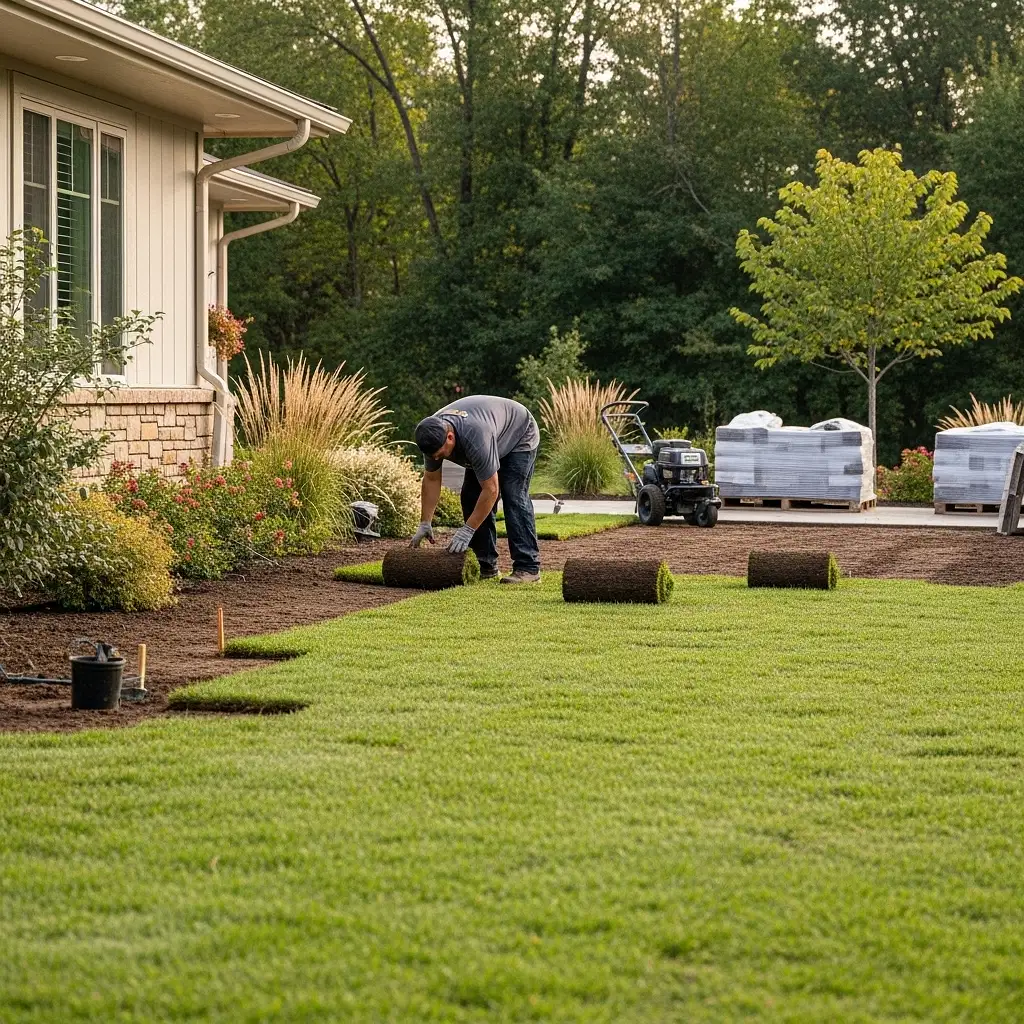
Once your soil has been properly amended and graded, you have a choice: seed or sod. While seeding can work, it's a slow process that leaves your amended soil vulnerable to erosion and weeds. For the challenging conditions of London clay, we almost always recommend professional sod installation.
High-quality, locally-grown sod provides an instant, mature lawn that immediately begins to establish its root system in your newly improved soil. It acts as a protective blanket, holding the topsoil in place and preventing weed seeds from germinating. This gives you a significant head start and a much higher success rate. A professional sod installation ensures the sod is laid correctly, with tight seams and proper contact with the soil, which is essential for rapid root establishment.
Proper watering is crucial in the first few weeks. The goal is to keep the new sod and the soil beneath it consistently moist but not waterlogged. This encourages the roots to grow down deep into the prepared soil, creating a drought-tolerant and resilient lawn for years to come.
Take the Guesswork Out of Your Lawn Care
Fighting with London clay soil can feel like a losing battle, but it doesn't have to be. By understanding the problem and taking the right steps to improve your soil's structure, you can create the foundation for a stunning, healthy lawn that enhances your property's value and your enjoyment of your outdoor space.
If you're tired of the mud and patchiness, let the local experts at Castillo Landscaping handle the heavy lifting. We specialize in transforming challenging yards with professional grading, soil preparation, and premium sod installations. We have the experience and equipment to do the job right, saving you time and frustration. Contact us today to get a free, no-obligation quote and take the first step toward the beautiful London lawn you deserve.