
Navigating Municipal Permits for Patios and Driveways: What You Need to Know
Dreaming of a new outdoor living space or a freshly widened driveway? You are certainly not alone. With the growing trend of creating multi-functional outdoor living spaces, more homeowners are looking to transform their properties into personal retreats. Whether it is an expansive stone patio for summer barbecues or a wider driveway to accommodate a growing family, upgrading your exterior adds incredible value and enjoyment to your home.
However, before the first shovel hits the dirt, there is a crucial step that many eager homeowners overlook: navigating municipal bylaws and securing the right permits. The red tape can seem daunting, especially right here in London, ON, where specific regulations govern everything from lot coverage to water drainage. Understanding these rules is essential to ensure your project is completed safely, legally, and without costly interruptions. In this comprehensive guide, we will break down what you need to know about municipal permits for hardscaping and driveway projects, helping you avoid headaches and focus on the exciting transformation of your property.
Do I Need a Permit for Patio Installation?
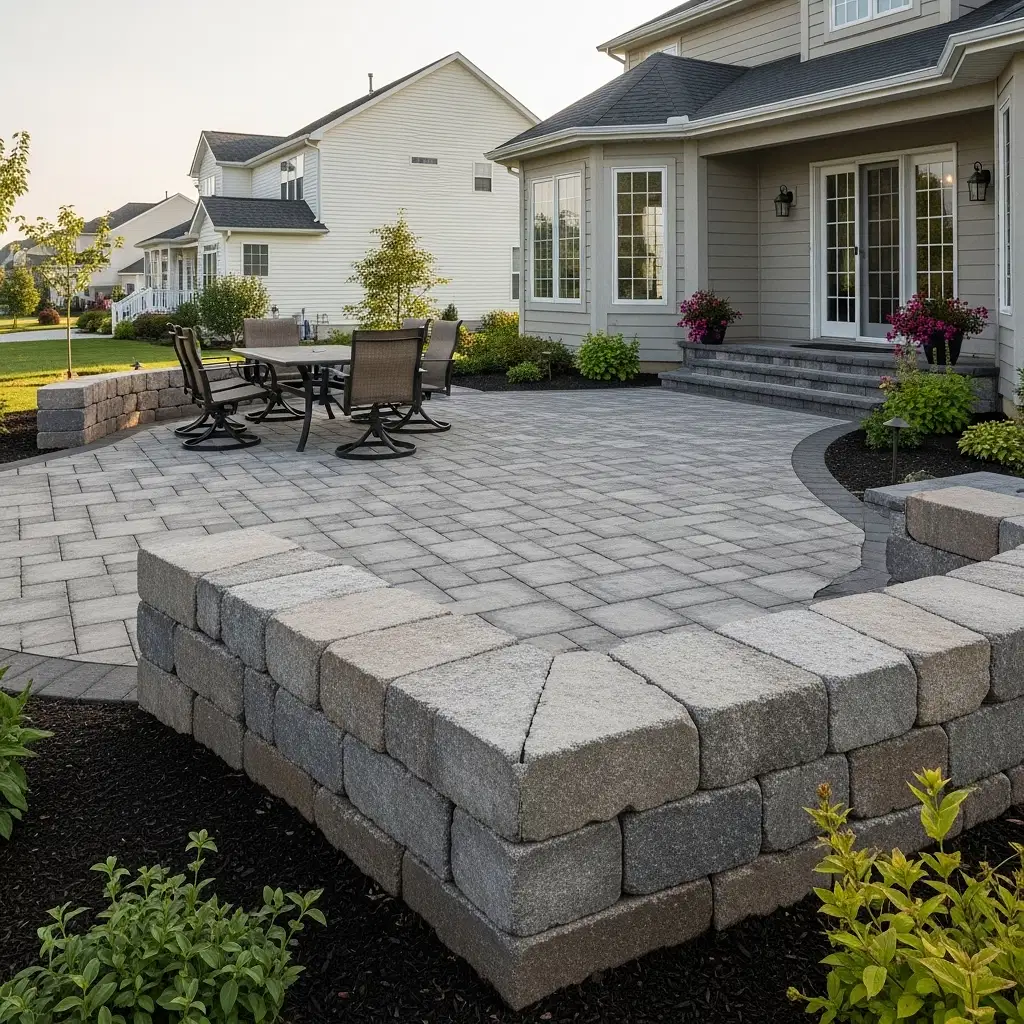
One of the most common questions we hear from clients planning a backyard renovation is whether they actually need a municipal permit for a patio. When looking at hardscaping vs landscaping, planting garden beds and laying sod generally do not require official approval. Hardscaping, however, is a different story. The answer largely depends on the scope, scale, and specific features of your project.
In many municipalities, a standard ground-level patio may not require a building permit, but that does not mean you are entirely free from regulations. Cities have strict zoning bylaws concerning property line setbacks and total lot coverage. If your new patio brings your total paved or built surface area above the maximum allowable percentage for your lot, you could face hefty fines or be forced to tear up the new installation.
Furthermore, if your patio design incorporates elevated features like decks or retaining walls, the rules become much stricter. For instance, municipal permits for retaining walls are almost always required if the wall exceeds a certain height—typically around 0.6 to 1 meter, depending on local bylaws—because structural failure could pose a significant safety risk. Similarly, if your patio involves altering the grading of your yard in a way that directs water runoff onto a neighbor's property, you will run into regulatory trouble. This is why having a clear, professional design is so critical before any physical work begins.
Driveway Widening Bylaws and Regulations
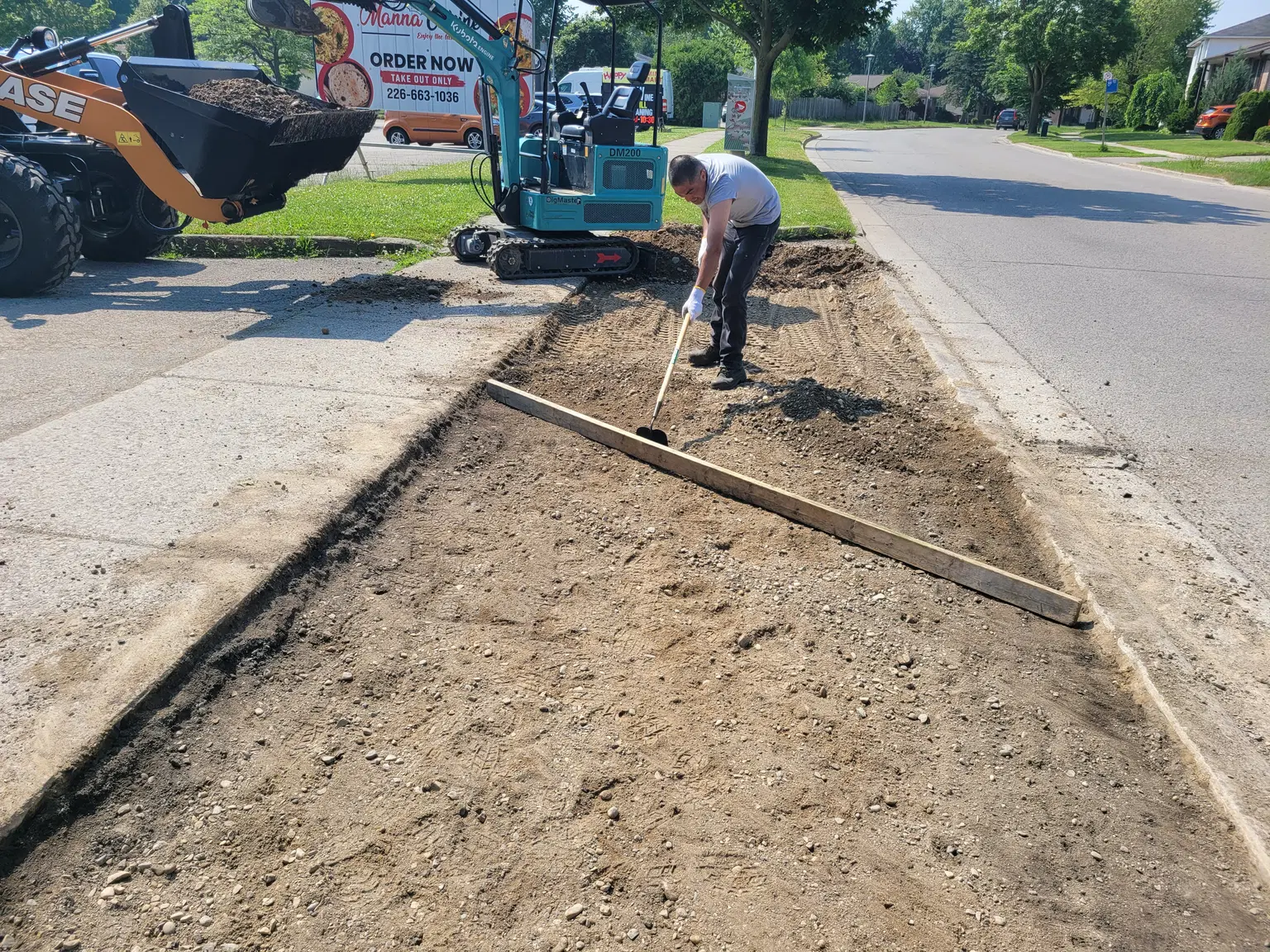
Upgrading a driveway is another highly popular project, especially in neighborhoods where street parking is limited. However, widening your laneway is strictly governed by municipal bylaws to ensure pedestrian safety, proper water drainage, and the preservation of city-owned trees and green spaces.
Before you start ripping up grass to pour more asphalt, you must understand your local driveway widening bylaws and regulations. Municipalities typically limit how wide a driveway can be relative to the width of your property frontage. This prevents residential streets from becoming continuous strips of pavement, which can cause severe stormwater management issues. If you want to widen the curb cut (the slope where your driveway meets the street), you will absolutely need city permission, as this involves altering municipal property.
Utility lines are another major consideration. In Ontario, you must always arrange for utility locates—often referred to as calling local Hydro or Ontario One Call before you dig. Accidentally striking an underground gas, electrical, or water line during excavation is not only incredibly dangerous but also financially devastating.
If you are dealing with an existing driveway that has seen better days, you might not need a permit for basic resurfacing or patching. In these cases, professional asphalt repair is a straightforward process that restores the safety and curb appeal of your home without the intense bureaucratic process of a full expansion.
The Importance of Property Line Setbacks
When planning any significant structural addition to your yard, property line setbacks for hardscaping must be carefully respected. A setback is the minimum distance that a structure, patio, or retaining wall must be kept from the edge of your property boundary. These distances are established to ensure privacy, allow for utility access, and prevent structural interference between neighboring lots.
Failing to adhere to setback requirements is a surprisingly common mistake made by enthusiastic DIYers and inexperienced contractors. If a neighbor complains or a city inspector notices that your new fire pit area or retaining wall encroaches on the setback zone, the municipality has the authority to issue a stop-work order. Navigating these zoning restrictions requires careful planning, accurate lot surveys, and a thorough understanding of the local municipal code. Designing your project with these restrictions in mind from day one is the most efficient way to ensure a smooth, stress-free build.
Why Working With Licensed Professionals Matters
With all these rules, regulations, and permit applications, it is easy to see why attempting a major property transformation on your own—or hiring an unlicensed contractor offering unusually cheap rates—can lead to disaster. The landscaping industry unfortunately has its share of unlicensed operators who might offer affordable landscaping options but cut corners by skipping permits, ignoring setbacks, and avoiding proper liability insurance.
When you hire reputable landscaping companies, you are not just paying for manual labor; you are investing in peace of mind. Professional teams understand the local Canadian climate, prioritize WCB compliance to protect workers, and carry comprehensive liability insurance. They also handle the heavy lifting of bureaucratic compliance. From submitting detailed lot plans for permit approval to managing the logistics of eco-friendly and permeable hardscaping solutions, experienced contractors ensure your project is done right the first time.
Our approach focuses heavily on clear, transparent pricing and excellent communication. We believe that a positive customer experience means keeping you informed throughout the entire process, including any necessary permit applications. When you choose professional landscaping, you ensure that your property remains compliant, safe, and beautiful for years to come.
Let Us Handle the Heavy Lifting
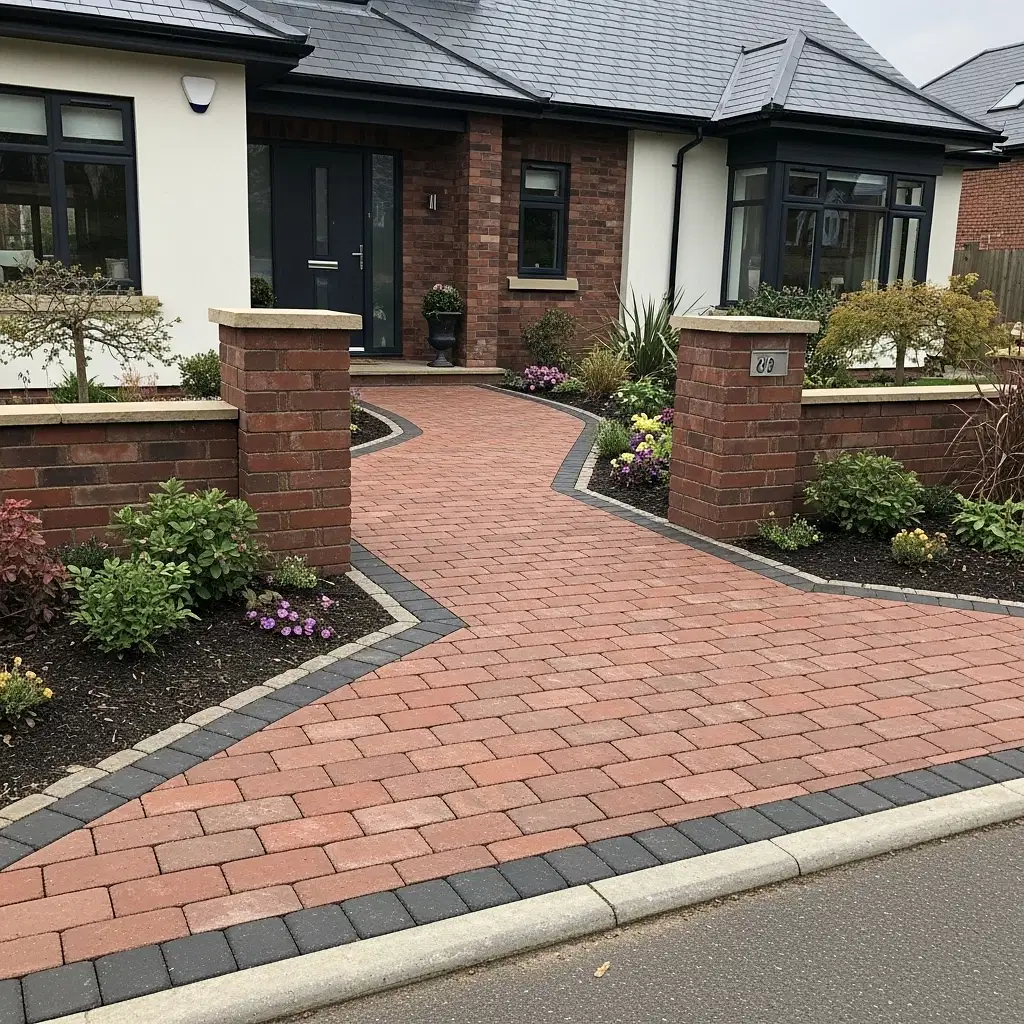
Transforming your outdoor space should be an exciting journey, not a stressful battle with municipal bylaws and permit applications. Whether you are envisioning a serene backyard retreat with a new patio or need to expand your driveway to accommodate your family's needs, understanding the regulations is the foundation of a successful project.
At Castillo Landscaping, we pride ourselves on delivering quality workmanship, fair pricing, and a customer experience built on integrity and clear communication. We proudly serve the London area, bringing our expertise in local bylaws, eco-friendly practices, and top-tier design to every project we undertake. If you are ready to start planning your next outdoor upgrade without the stress of navigating the red tape alone, reach out to us today. Visit our contact us page to schedule a consultation, and let us bring your vision to life safely, legally, and beautifully.