
How to Winterize Gardens and Landscaping Beds
As the vibrant autumn colors begin to fade across The Forest City, it is time for homeowners to start thinking about the colder months ahead. Preparing your outdoor spaces for winter isn't just about keeping things tidy; it is a crucial step to ensure your plants, shrubs, and soil survive the freezing temperatures and emerge healthy next spring. At Castillo Landscaping, we know firsthand how quickly the weather can turn, bringing those notorious lake-effect snowstorms right to our doorsteps. If you are wondering how to winterize flower beds and shrubs to protect your investment, you are in the right place. In this guide, we will walk you through the essential steps to prepare your yard for the harsh winter months, ensuring a beautiful, vibrant return when the snow finally melts away.

Clearing the Canvas: Fall Cleanup and Pruning
The first step in winterizing your yard is giving it a thorough and careful clean. Dead leaves, fallen branches, and decaying plant matter can quickly become breeding grounds for disease and pests if left suffocating under the snow all winter. Start by raking up the bulk of the heavy leaves from your lawn, but consider leaving a light, shredded layer in hidden garden beds to naturally compost and feed the soil biome.
When it comes to cutting back garden perennials before the first freeze, timing and technique are everything. Wait until the foliage has died back naturally after a few light frosts. This waiting period allows the plant to send its remaining energy down into the roots for winter storage. Once the stems are brown and brittle, trim them down to just a few inches above the soil line. However, remember that some plants, like ornamental tall grasses and certain native Carolinian species, can actually be left standing to provide beautiful winter interest and essential habitat for local wildlife. If you live in an area with mature canopies like Old North, staying on top of this leafy debris is especially vital.
Applying Mulch to Prevent Winter Root Damage
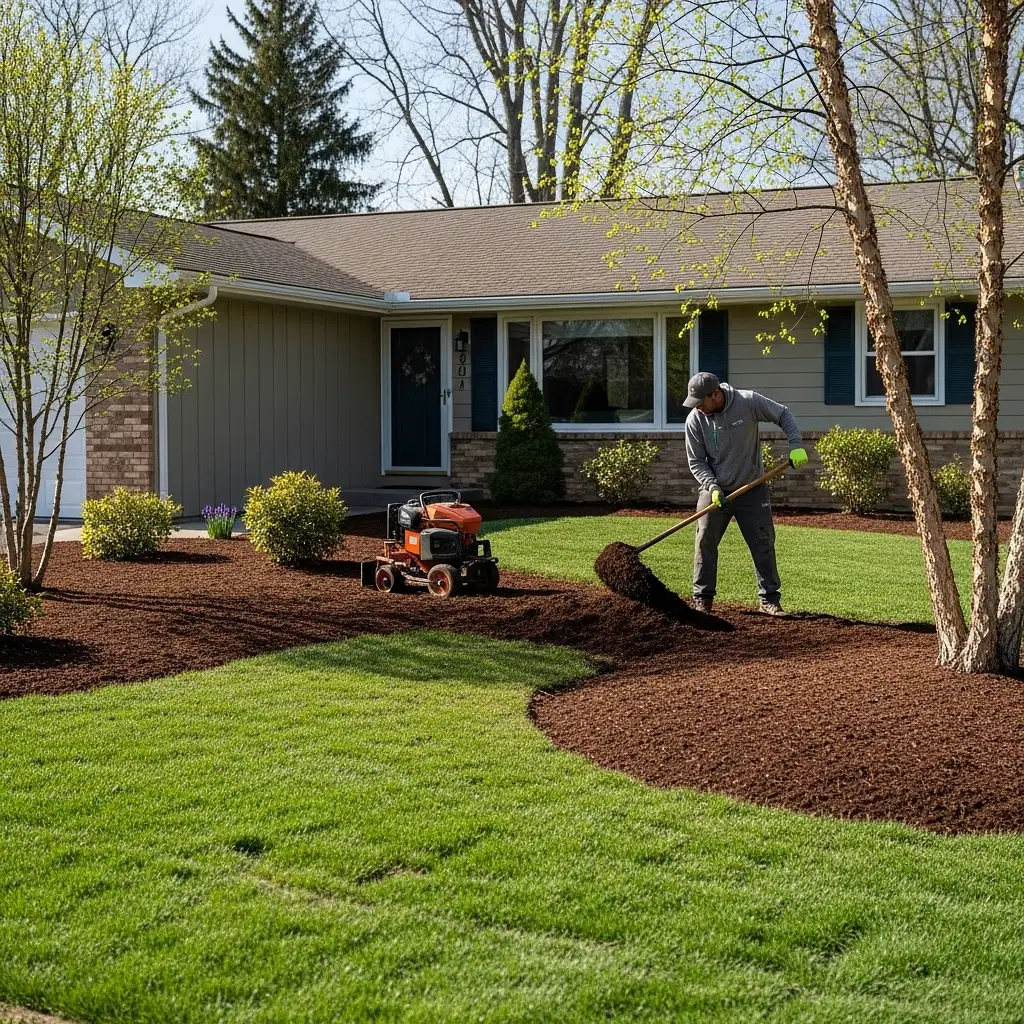
One of the most common questions we hear from homeowners is how to properly go about protecting delicate perennials from winter frost. The secret lies in effectively insulating the root zone before the deep freeze arrives. Once the ground has firmly frozen—usually in late November or early December—applying a thick layer of organic mulch is one of the absolute best things you can do for your garden's longevity.
Applying mulch to prevent winter root damage acts exactly like a cozy, protective blanket for your plants. It helps regulate the soil temperature, preventing the constant freezing and thawing cycle that can cause plants to heave out of the ground and expose their vulnerable roots to the freezing air. Spread about two to three inches of high-quality shredded bark or compost around the base of your perennials and shrubs, being incredibly careful not to pile it directly against the stems or trunks, which can encourage rot and invite rodents. If you need a professional hand with extensive garden prep, our comprehensive landscaping services can ensure your property is properly insulated, shaped, and ready for the cold.
Managing London Clay Before the Freeze
We cannot talk about preparing a yard in our region without mentioning our famous London clay. While this heavy, dense soil is fantastic at holding onto nutrients during the summer, it is absolutely notorious for retaining excessive moisture and creating severe drainage issues in the wetter seasons. Before the ground completely freezes solid, take a slow walk around your property after a heavy rain to check for pooling water or soggy depressions.
Standing water that eventually turns into ice can severely damage plant roots and even crack your expensive hardscaping, retaining walls, or walkways over time. Aerating your lawn in the late fall can help alleviate this surface compaction, allowing water to penetrate deeper into the earth rather than sitting stubbornly on the surface. If you notice chronic pooling in your garden beds, blending organic matter like compost into the beds can help break up the heavy clay structure, improving drainage and protecting the local watershed before the harsh winter sets in.
Shifting Gears to Winter Maintenance
As the gardening season officially wraps up and the tools are put away, the focus naturally shifts to keeping your property safe, functional, and accessible. Winter brings its own unique set of physical and logistical challenges, and being prepared means securing reliable, insured help before the first major snowfall hits. Navigating the severe seasonal fluctuations in our climate can be incredibly stressful, but having a solid plan in place ensures complete peace of mind.
At Castillo Landscaping, we firmly believe in providing exceptional quality service and completely fair pricing year-round. When the landscaping projects are finished, our plows are fully serviced and ready to go. Transitioning your property maintenance to our dedicated snow removal team ensures your driveway and walkways remain clear, safe, and fully accessible, no matter what the unpredictable forecast brings. We handle the heavy lifting, the early mornings, and the freezing temperatures so you can simply enjoy the winter weather from the warmth and comfort of your home.

Wrapping Up Your Winter Prep
Taking the time to properly winterize your gardens and landscaping beds pays massive dividends when spring finally rolls around. By systematically cleaning up debris, strategically cutting back perennials, insulating vulnerable roots with quality mulch, and addressing tricky clay drainage issues, you are setting your entire landscape up for a lush, vibrant return.
If you want to ensure your property is fully protected and prepared for the coming winter, or if you want to get ahead of the severe weather with a reliable winter maintenance plan, we are here to help. Contact Castillo Landscaping today to schedule your final fall property cleanup or to secure your spot on our winter routes. Let's work together to keep your outdoor spaces beautiful, healthy, and exceptionally safe all year long.